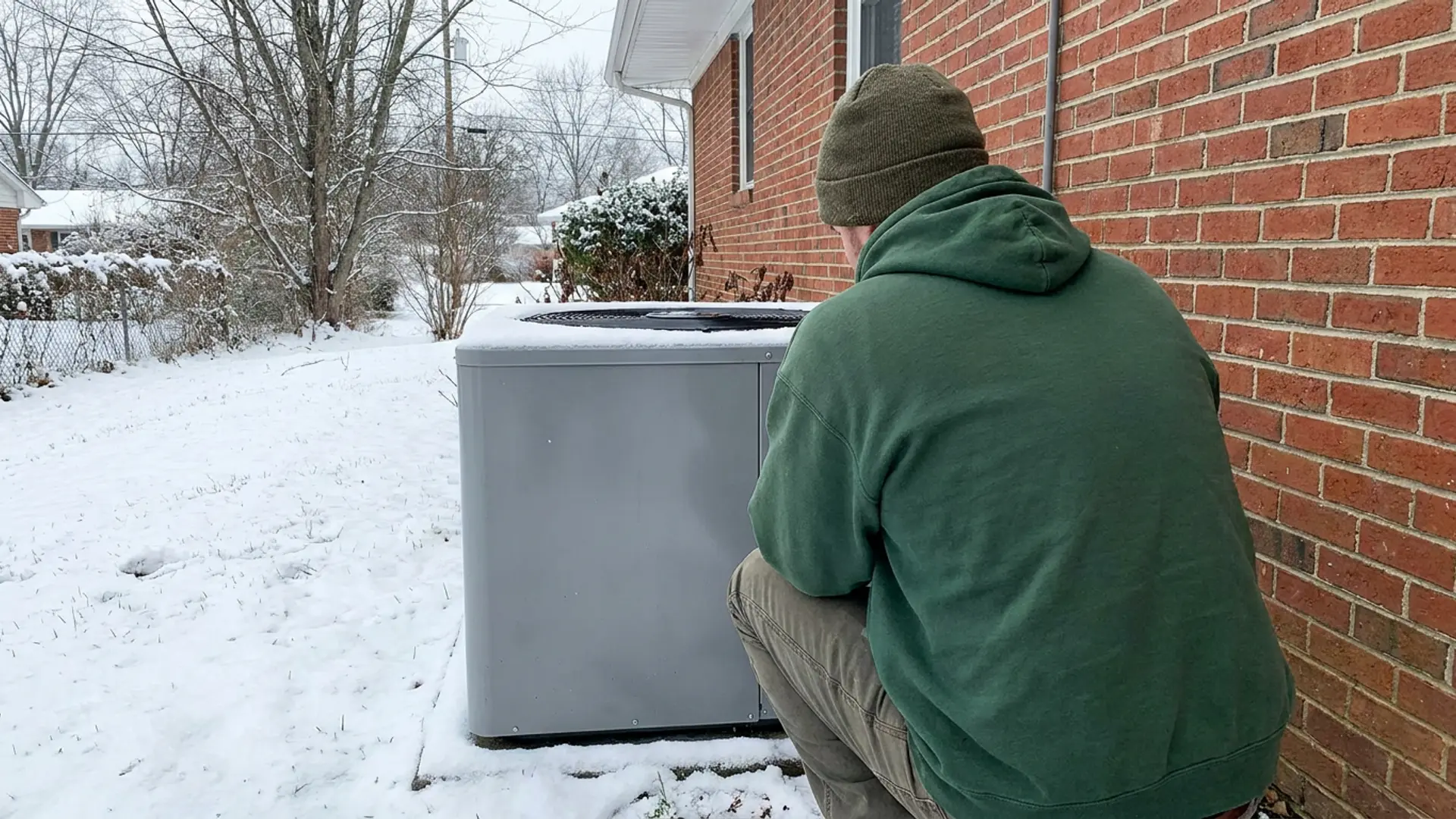
Heat pumps in Denver, CO & nearby towns
Heat Pump Installation Denver
Heat Pump Installation Denver connects you with one insured local installer for a free heat pump installation estimate. Just call (303) 529-8713 or Get Free Estimate. We're a free referral service, not the contractor, not your utility and not a city program. The installer comes out, looks at your house and sets the price. There's no obligation, and the estimate costs you nothing.
- Free installation estimate
- Insured local installer
- No obligation
Free Heat Pump Estimate
The installer sees your house, then quotes. No obligation.
Insured Local Heat Pump Installer
We connect you with one independent Denver-area installer
One Call, Not a Call List
Your details go to one installer, not a pile of sales calls
Before You Call
Heat pump installation help in Denver
Heat Pump Cost in Denver
What pushes a heat pump install price up or down here, and why the installer only quotes after seeing your house.
2026 Heat Pump Rebates
A plain-English look at which 2026 rebates and credits might apply, and who actually decides whether you qualify.
Where We Connect Homeowners
Denver plus Arvada, Aurora, Broomfield, Centennial, Littleton and Highlands Ranch, with notes on local permit rules.
The process
Heat Pump Installation Denver: How It Works
- 01
Tell us about the house
Call or send the form. Tell us your part of the metro, what heats the house now, and if you'd like cooling out of it too.
- 02
We connect you with one insured local installer
Your request goes to one independent heat pump installer working the Denver metro, not a call list that rings six companies.
- 03
A free estimate, no obligation
They see the house in person, talk through the options that fit it, and give you a written number. You decide from there.
How does the free estimate actually work?
It's simple. On purpose. You call (303) 529-8713 or fill out the form on this page, we pass your details to one independent, insured local heat pump installer, and that installer contacts you, sets up a visit and gives you a free, no-obligation estimate.
We won't pretend otherwise. We aren't the company doing the work, and we don't set the price. Nobody can give you a real number over the phone for a house nobody has seen. The installer prices the job after walking through it, because the answer depends on your ducts, your electrical panel, your yard and what you want the system to do.
You're not signing anything by asking. If the estimate doesn't work for you, say no thanks. Done. Plenty of people get an estimate just to find out whether their house is a reasonable candidate for a heat pump at all, and that is a perfectly good reason to call.
We connect you with one installer. No bidding war. If you'd like to compare, get other quotes on your own; for a purchase this size, we'd encourage it.
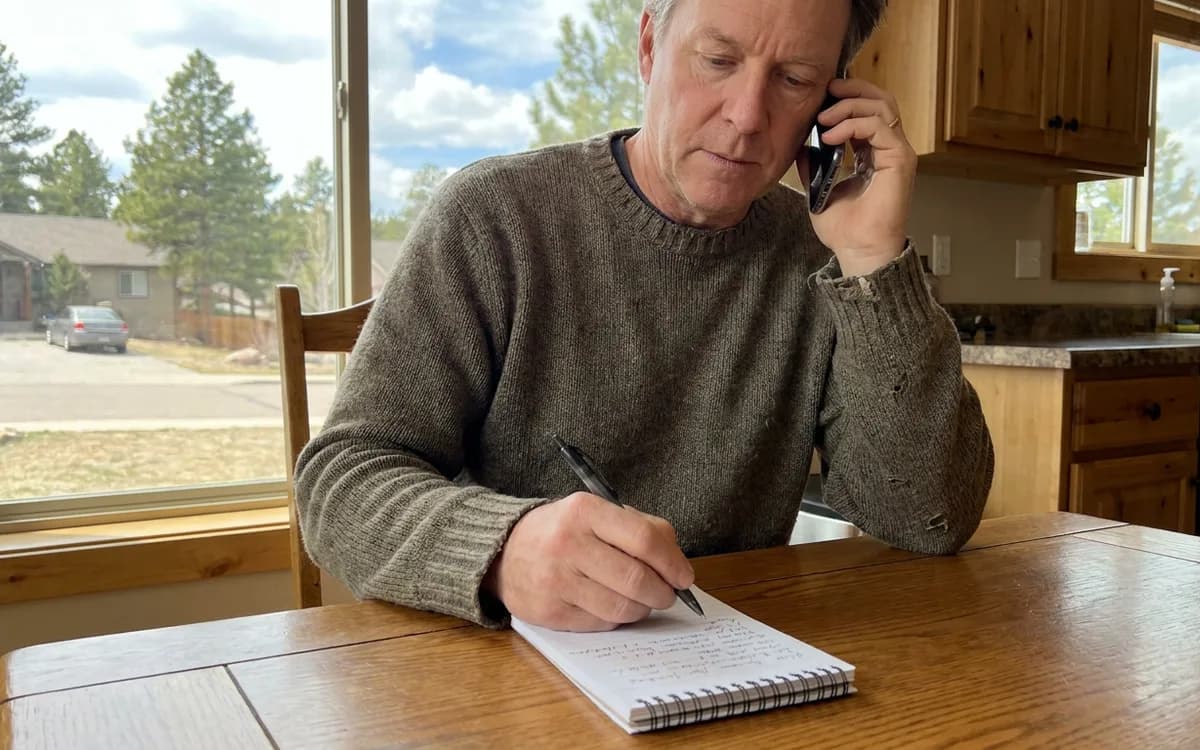
What happens between the estimate and your first heating season?
A good heat pump job starts with math, not with the sticker on your old furnace. The installer should run a room-by-room heating and cooling load calculation, usually called a Manual J. Your old unit may have been oversized from day one, and your house may have changed since then too, with new windows, an attic that finally got insulation or a basement somebody finished years ago. Don't just match the old size. That repeats old mistakes.
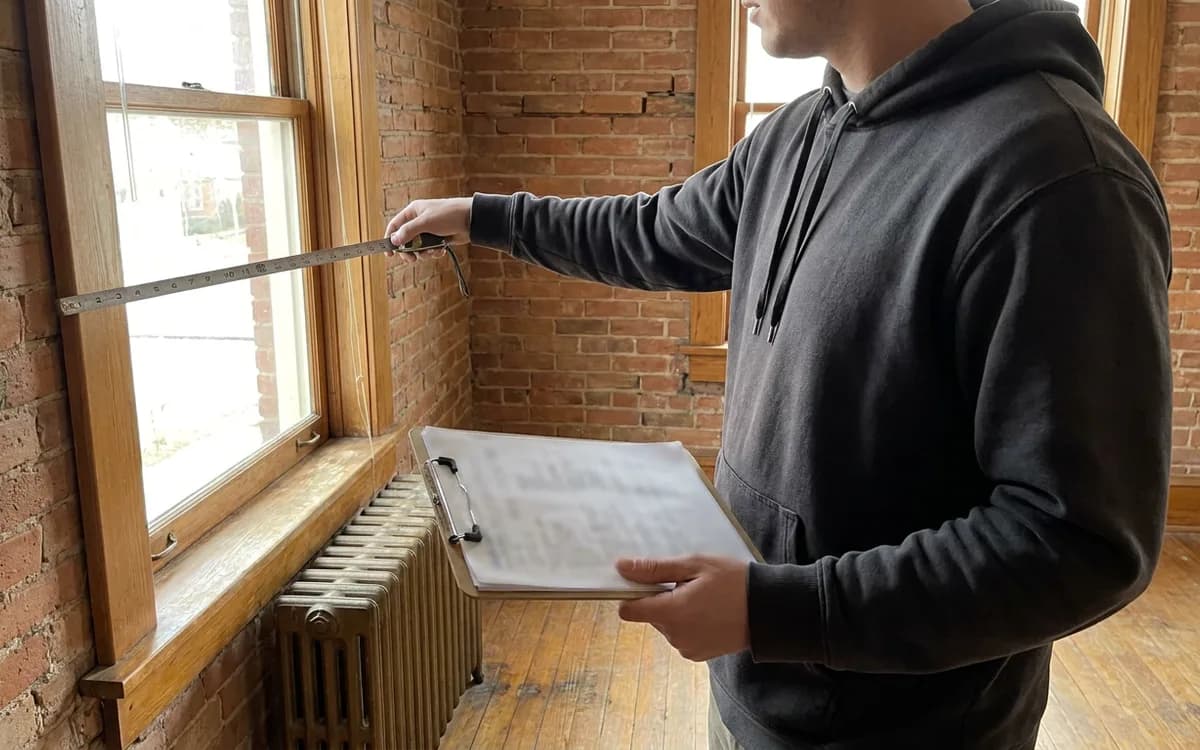
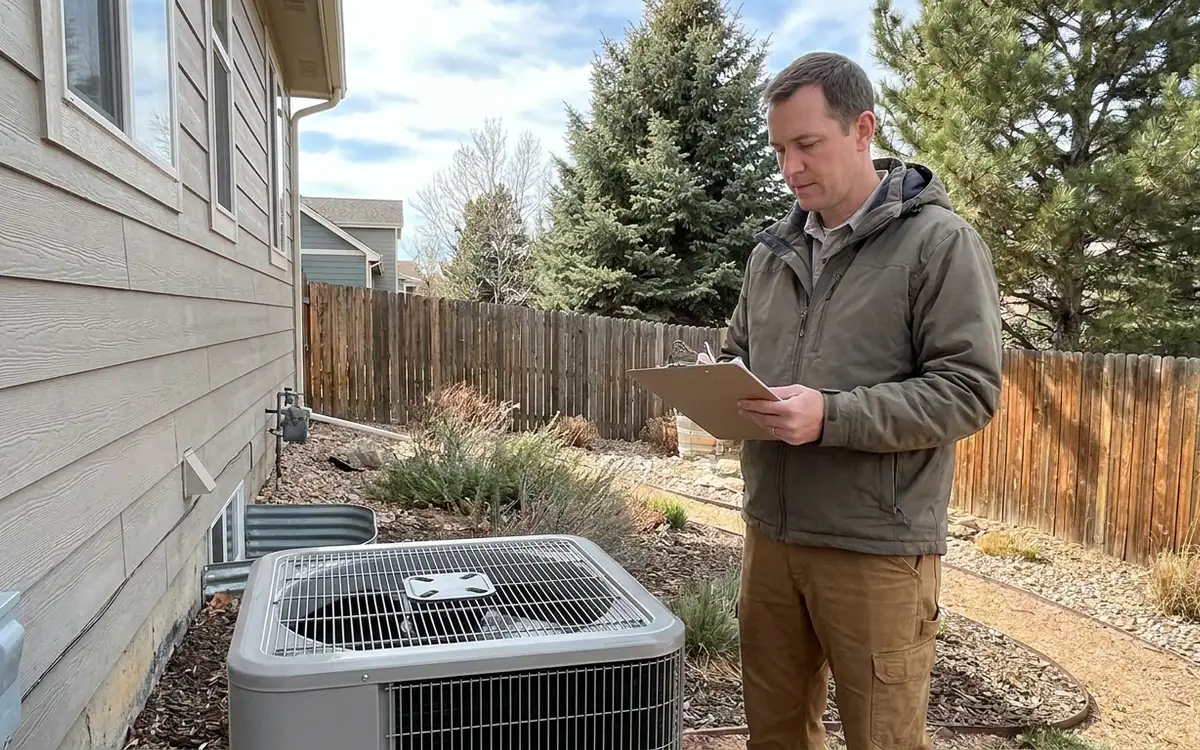
During the visit, expect the installer to look at:
- The ductwork: its size, its condition, any leaks, and whether it can move the air a heat pump needs.
- The electrical panel, to see whether it has capacity for the new equipment and whether you'll need a new circuit.
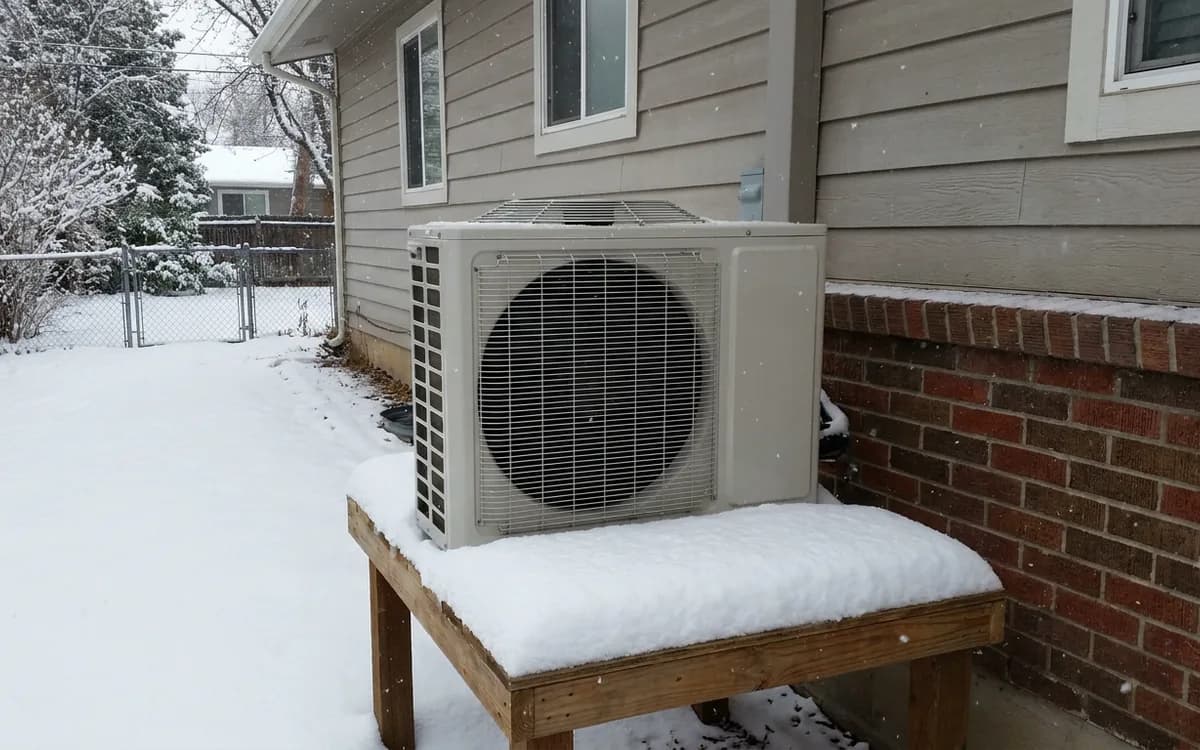
- Where the outdoor unit goes, with clearance, drainage and a plan for snow, so the unit isn't tucked under a roof edge that dumps on it all winter.
- How the refrigerant lines get from the outdoor unit to the indoor equipment.
- Where the condensate water goes, in both heating and cooling season.
Then you get the estimate. If you go ahead, you'll schedule the work with the installer and ask them who is handling the permit (more on that below). Install day generally means removing old equipment, setting the outdoor unit, running refrigerant lines, making electrical connections and starting up the system. Inspection follows wherever your city or county requires one.
The real test is the first cold stretch. Before the installer leaves, ask how the system is set to behave when the weather turns. When does backup heat kick in? What thermostat settings make sense? What does a normal defrost cycle look and sound like? Write it down. You'll want it in December.
Ducted or ductless, all-electric or dual-fuel?
Two separate choices. People blur them constantly.
Ducted or ductless
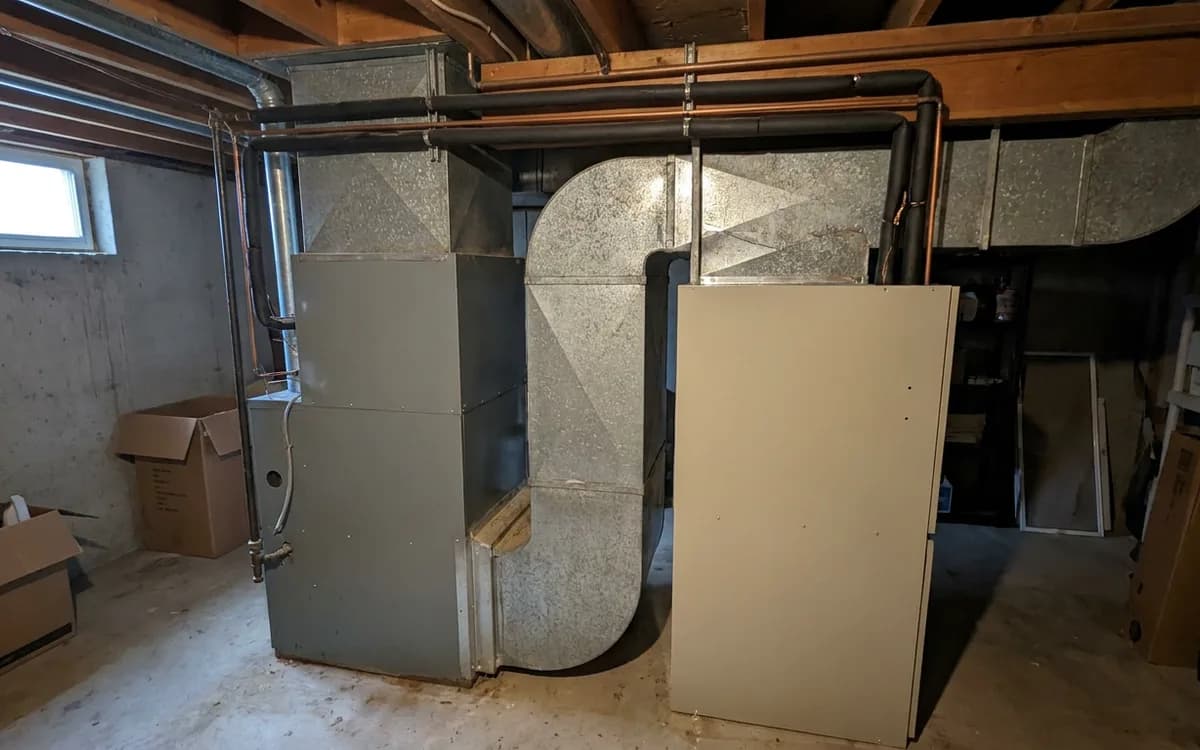
A ducted heat pump uses the ductwork you already have. The outdoor unit replaces the air conditioner, and it works with an indoor air handler or the blower in your furnace. If your ducts are in decent shape, this is often the most direct route. Ductless systems mount indoor heads on the walls of the rooms they serve. People use them in houses without ducts or in rooms the ducts never reached. Some homes end up with a mix of both.
All-electric or dual-fuel
All-electric means the heat pump does the heating, with electric backup if the design calls for it. Dual-fuel keeps your gas furnace in place as backup. The heat pump heats and cools, and the furnace takes over when the settings say it should. Dual-fuel suits people who aren't ready to give up gas, or whose furnace still has good years left. All-electric appeals to people who'd rather be done with combustion in the house altogether.
Neither answer fits every house. Tell the installer what you care about most: lower bills, better cooling, getting off gas or keeping a familiar backup. Then let them size the system around it. The load calculation picks the equipment. Your priorities pick the setup.
Can a heat pump really carry a Denver cold snap?
Almost everybody asks this first. It's a fair question. Denver sits about a mile above sea level, and cold snaps here are real.
Older heat pumps earned a reputation for giving up when it got very cold. Cold-climate models are built to keep heating in sub-zero weather, and there's a concrete way to check what you're being offered. The Xcel Energy 2026 rebate summary, effective Oct. 1, 2026, lists what a ducted or mixed cold-climate air-source heat pump must hit to qualify for its cold-climate rebate:
- At least 15.2 SEER2, 10 EER2 and 8.1 HSPF2
- A coefficient of performance (COP) of at least 1.75 at 5°F
- Heating capacity at 5°F of at least 70% of its capacity at 47°F
Read that last line twice. A qualifying unit still delivers at least 70% of its 47°F heating capacity on a 5-degree morning. When you get your estimate, ask for the equipment numbers at 5°F, not just the model name on the brochure.
Even a strong cold-climate unit needs a good design behind it. This is where the choice between dual-fuel and all-electric comes back in, along with how the backup is set up, because a properly sized system with a sensible backup plan is what gets you through a hard week in January without drama.
Free heat pump estimate in Denver
Get a real number for your house before you pick a heat pump.
This is a free referral service. We connect you with one independent, insured local heat pump installer who looks at the house and sets the price. No call list and no obligation.
Your house's age changes the whole conversation
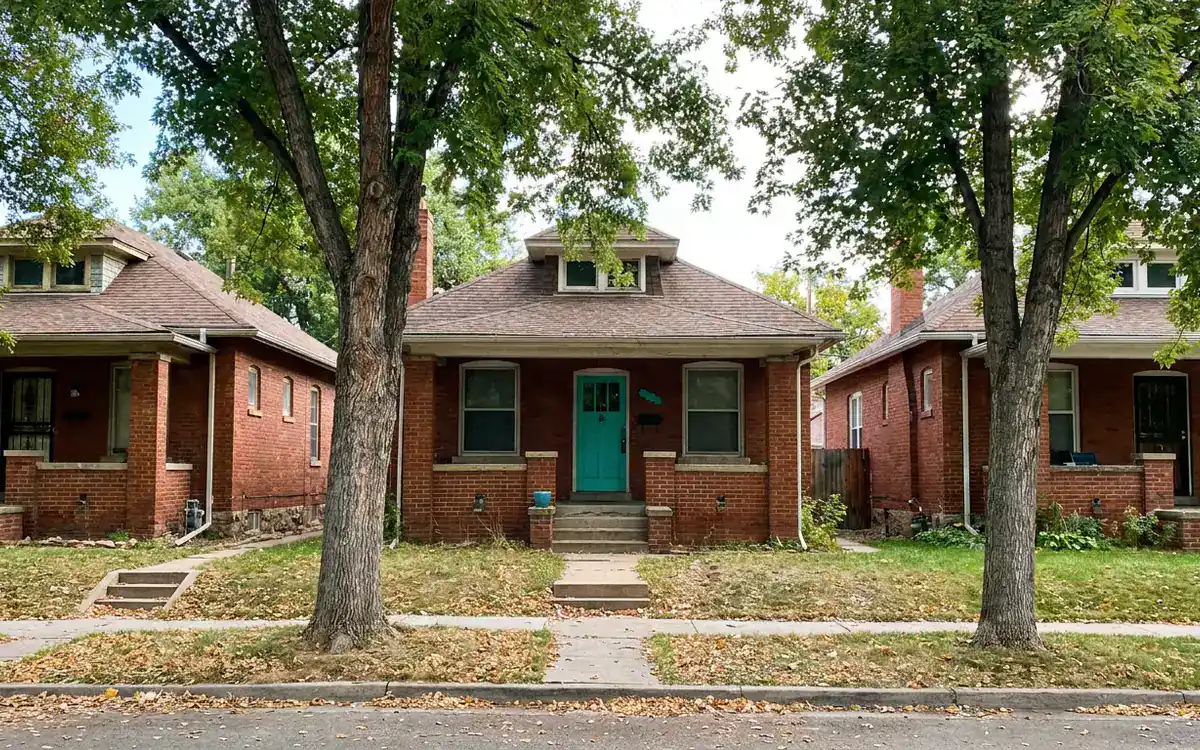
Denver's housing is older than a lot of people assume. Per Census ACS 2024 5-year estimates, the median Denver housing unit was built in 1975. About 16.9% of the 359,581 housing units in the city date to 1939 or earlier, and another 12.3% were built in the 1950s.
Old houses can get heat pumps. They just tend to come with surprises. A 1920s bungalow might have ducts that were added decades after it was built, or no ducts upstairs at all. A 1950s ranch may have ductwork sized for a furnace, with cooling as an afterthought. An older electrical panel may never have been planned around a heat pump, which is why the panel check isn't a formality.
Newer houses have their own quirks. Either way, the installer needs to see your actual house before anyone talks price. You can't guess ductwork, electrical service or where the outdoor unit can go from a zip code.
What moves the price, and what trims it in 2026?
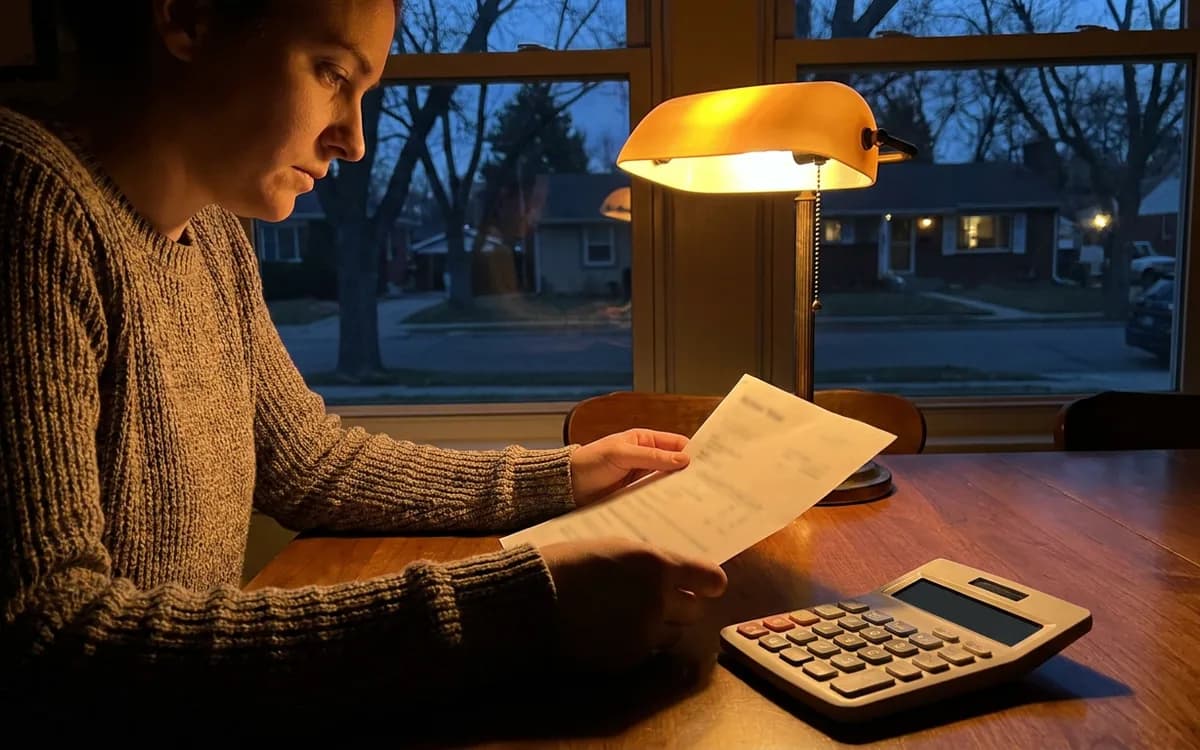
You won't find a price range on this page. Published Denver numbers swing widely depending on who's quoting and what they've folded into the job, and a number without your house attached tends to mislead more than it helps. Here's what actually moves a quote:
- Ducted, ductless or a mix
- Cold-climate equipment versus a standard heat pump
- System size from the load calculation
- Duct repairs or changes
- Electrical work, such as a new circuit or panel changes
- All-electric versus dual-fuel
- Outdoor unit placement and the length of the line runs
One Denver contractor publishes numbers from its own customers. We walk through that example, and why it isn't a market price, in the Denver heat pump cost guide.
The 2026 money picture, briefly
Incentives shifted a lot this year. Here's the short version as of September 2026:
- For air-source heat pumps installed on or after Jan. 1, 2026, the Colorado heat pump tax credit is $1,000, and the contractor must pass at least $333 of it to you. Only state-registered contractors can claim it. It shows up as an invoice line labeled "State of Colorado Heat Pump Discount," and you don't file any paperwork. Ask whether your installer is on the state registered list, and look for that line on the invoice.
- Per the Xcel Energy 2026 rebate summary effective Oct. 1, 2026, a ducted or mixed cold-climate air-source heat pump earns $750 per heating ton at 5°F at the standard rate, or $1,500 per heating ton at 5°F with the bonus. That's heating tons at 5°F, not the nameplate size. The bonus requires an invoice dated in 2026. It isn't available if your existing primary heat is already electric, though standard rebates still apply. You need an Xcel participating contractor, and you have to be an Xcel customer, so confirm your utility by address.
- The federal credit is gone for 2026 installs. The IRS Energy Efficient Home Improvement Credit covered improvements made through Dec. 31, 2025, so a heat pump installed in 2026 doesn't qualify. Take tax questions to a tax professional.
- The state income-qualified rebate is closed here, too. According to the August 2026 state update, the single-family Home Energy Rebates program is closed for Region 1, which includes Denver, Adams, Arapahoe, Jefferson, Douglas and Broomfield counties.
If the Xcel bonus matters to your budget, the 2026 invoice date is a real deadline, not a sales line. The Denver heat pump rebates guide has the details. Your utility or installer has the final word on what you qualify for.
Who pulls the permit, and does licensing matter?
Permits are local, and the rule that applies is the one for your exact address. The Denver permit portal itself reminds applicants to confirm the parcel is actually in Denver before they apply.
Inside the City and County of Denver, the city licenses mechanical contractors and requires a permit for mechanical work, but Colorado has no statewide HVAC or mechanical contractor license, so licensing gets handled city by city.
The suburbs each do it their own way. A few examples:
- Arvada lists heat pumps among the mechanical appliances that need an issued permit before work starts.
- In Centennial, the quick One-Stop permit covers like-for-like HVAC replacement. Swapping a furnace for a heat pump isn't like for like, so ask the Building Division which permit path fits.
- Littleton publishes a list of licensed contractors. The city also warns about scammers demanding permit fees by gift card or wire, so pay fees only through its eTRAKiT system.
- Highlands Ranch is unincorporated, so permits go through Douglas County rather than a city building department.
Here's where we stand: we connect you with an insured installer. Before work starts, ask them who is pulling the permit and confirm it's for the right jurisdiction. If your city licenses contractors, you can look that up yourself in a few minutes. It's worth doing.
Denver-area towns
Which towns does this referral cover?
Denver, plus these nearby communities. Each page covers local permit details and what to ask before the estimate:
- Arvada heat pump installation
- Aurora heat pump installation
- Broomfield heat pump installation
- Centennial heat pump installation
- Littleton heat pump installation
- Highlands Ranch heat pump installation
Don't see your town? Check all service areas, or call (303) 529-8713 and ask. When you're ready, Get Free Estimate and we'll connect you with one insured local installer.
Ask Away
Heat Pump Installation Questions
Is Heat Pump Installation Denver the company that installs the heat pump?
No. Heat Pump Installation Denver is a free referral service that connects you with one independent, insured local heat pump installer. That installer visits your home, sets the price and gives you a free, no-obligation estimate. Call (303) 529-8713 to get started.
How much does a heat pump installation cost in Denver?
The installer sets the price after seeing your house because the scope varies from home to home. Ductwork, electrical upgrades, system size and cold-climate equipment all move the number. The Denver heat pump cost guide walks through one local contractor's published example and explains what changes a quote.
Will a heat pump keep my house warm in a Denver winter?
Cold-climate heat pumps are built to keep heating in sub-zero weather. Per Xcel's 2026 rebate summary effective Oct. 1, 2026, a qualifying ducted cold-climate unit needs a COP of at least 1.75 at 5°F and 5°F heating capacity of at least 70% of its 47°F capacity. A proper load calculation and a sensible backup plan matter just as much as the equipment.
What heat pump rebates and credits apply in Denver in 2026?
As of September 2026, air-source heat pumps installed on or after Jan. 1, 2026 carry a $1,000 Colorado tax credit, and a state-registered contractor must pass at least $333 of it to you as an invoice discount. Xcel customers may qualify for rebates under Xcel's 2026 rebate summary effective Oct. 1, 2026, and the bonus tier requires an invoice dated in 2026. The federal credit covered improvements made through Dec. 31, 2025, so 2026 installs don't qualify. See Denver heat pump rebates and confirm eligibility with your utility or installer.
Do I need a permit to install a heat pump in Denver?
Inside the City and County of Denver, mechanical work requires a permit, and the city licenses mechanical contractors. Suburbs such as Arvada, Centennial and Littleton run their own permit processes, so the rule depends on your exact address. Ask your installer who is pulling the permit and confirm it matches your jurisdiction.
Can I keep my gas furnace when I get a heat pump?
Yes. Keeping the furnace as backup is called a dual-fuel setup, and it's one of the two main options alongside an all-electric system. The heat pump handles heating and cooling, and the gas furnace takes over as backup based on how the installer sets up the system. Tell the installer your priorities and they can size the system either way.
Am I committed to anything if I request an estimate?
No. The estimate from the insured local installer is free and there's no obligation to move forward. If the price or plan doesn't fit, you can simply say no. Call (303) 529-8713 or use the Get Free Estimate form.
Thinking about a heat pump?
We'll connect you with one local, insured heat pump installer. They see the house, then set the price. No obligation to buy.